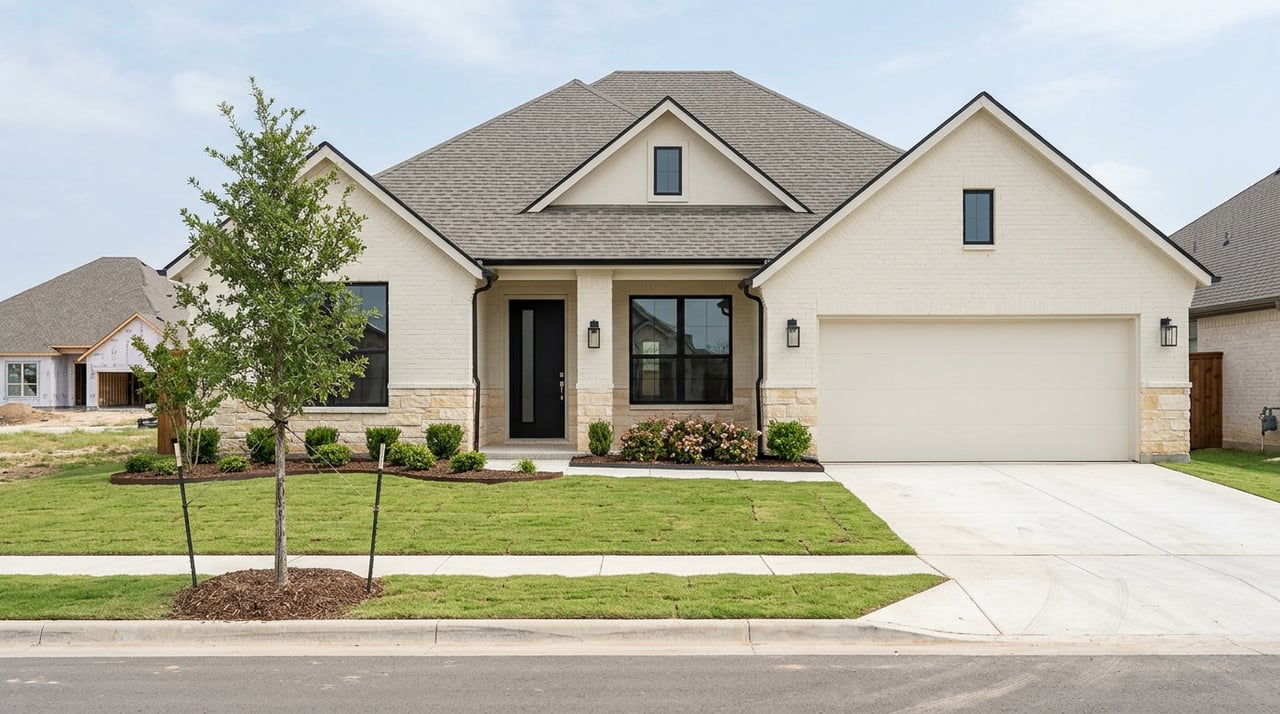
Crane booms on the horizon. Freshly paved streets. Model homes buzzing on weekends. If you are looking at Conroe and Lake Conroe, you are seeing a real new‑home wave. You want to know where the action is, how products and prices compare with established lake neighborhoods, and what to watch in builder contracts. This guide walks you through the main growth corridors, the types of homes coming online, and smart steps to buy with confidence. Let’s dive in.
Conroe’s new-home wave at a glance
Conroe and greater Montgomery County are adding large, master‑planned communities alongside smaller MUD‑backed subdivisions. Major projects are slated to deliver a wide range of homes, from entry-level townhomes to luxury single‑family options. Johnson Development’s Grand Central Park and long‑running Woodforest, along with D.R. Horton’s expansive Silverthorne, anchor much of today’s inventory and future lots. You can browse an overview of Grand Central Park and its product mix directly from Johnson Development’s community page.
Beyond the headline projects, dozens of new sections are advancing through Municipal Utility Districts and Water Control and Improvement Districts. These official documents track lot counts, active builders, and status, making them valuable references for timing and tax details. The Southeast‑Regional MUD preliminary official statements provide section‑by‑section tables for multiple Conroe‑area subdivisions, including names you will hear locally like Moore Landing, Lake Conroe Cove, William Trails, Trails at Cochran Ranch, and Coe Ranch. You can see how these disclosures outline lots and utilities in the Southeast‑Regional MUD bond statement.
Hotspots to watch around Conroe
South and central: Grand Central Park and City Central
Grand Central Park sits at I‑45 and Loop 336, and it is more than homes. You get a retail hub at 336 Marketplace, a growing City Central commercial district, and residential products that range from townhomes to higher‑end single‑family. According to Johnson Development’s overview, the mix spans townhomes into the $300s along with luxury offerings within the master plan. The result is a community that competes with nearby resale on amenities and convenience while adding new inventory across budgets.
East and northeast: Silverthorne by D.R. Horton
On Conroe’s northeast side near FM 1484 and Wally Wilkerson Parkway, D.R. Horton’s Silverthorne is a large production community positioned for multi‑year growth. Local reporting notes a roughly 1,341‑acre plan with about 3,500 homes at buildout, with early phases featuring 50‑, 60‑ and 70‑foot homesites. You can read the launch details and lot widths in the Houston Chronicle’s coverage of Silverthorne. If you want move‑up options on larger suburban lots, this corridor is one to watch.
Northwest, near Lake Conroe and Montgomery
West and northwest of Conroe, plans range from village‑scale to multi‑phase master communities. The Chronicle has reported on Briarley, a roughly 385‑acre community near Montgomery and Lake Conroe, aimed at move‑up buyers with amenity‑driven living. See the project context in the Chronicle’s Briarley report. Around the same side of the lake, you will also find smaller MUD‑backed subdivisions. POS disclosures show builders under contract and the status of developed lots, which helps you gauge when new sections might release. For an example of how these filings map lots and utilities, review the Southeast‑Regional MUD bond statement.
Lake Conroe waterfront and resort communities
Established waterfront neighborhoods such as Bentwater, Walden, April Sound, Del Lago, and Seven Coves remain active for resale and occasional new infill construction. These areas typically have larger lots and club or marina amenities, and they often sit at higher price tiers than new production tracts. Newer lake‑area plats, including Lake Conroe Cove and Moore Landing, are also moving forward in select sections, targeting buyers who prioritize water access or larger yards. You can confirm lot counts and utility details for these subdivisions through the MUD bond disclosures.
Infill, downtown, and mixed‑use nodes
Inside the Loop 336/I‑45 frame, Conroe’s commercial pipeline is adding density and services that support housing absorption. The Conroe Waterfront Center concept outlines retail and multifamily allocations in a mixed‑use setting, which may add townhomes and apartments near shopping and employment. You can browse the site plan details in NewQuest’s Conroe Waterfront Center materials. Job growth also matters. The Conroe Park North industrial district is a key employment hub, and the Conroe Economic Development Council highlights it as a major asset likely to keep housing demand steady north of the city.
What builders are offering right now
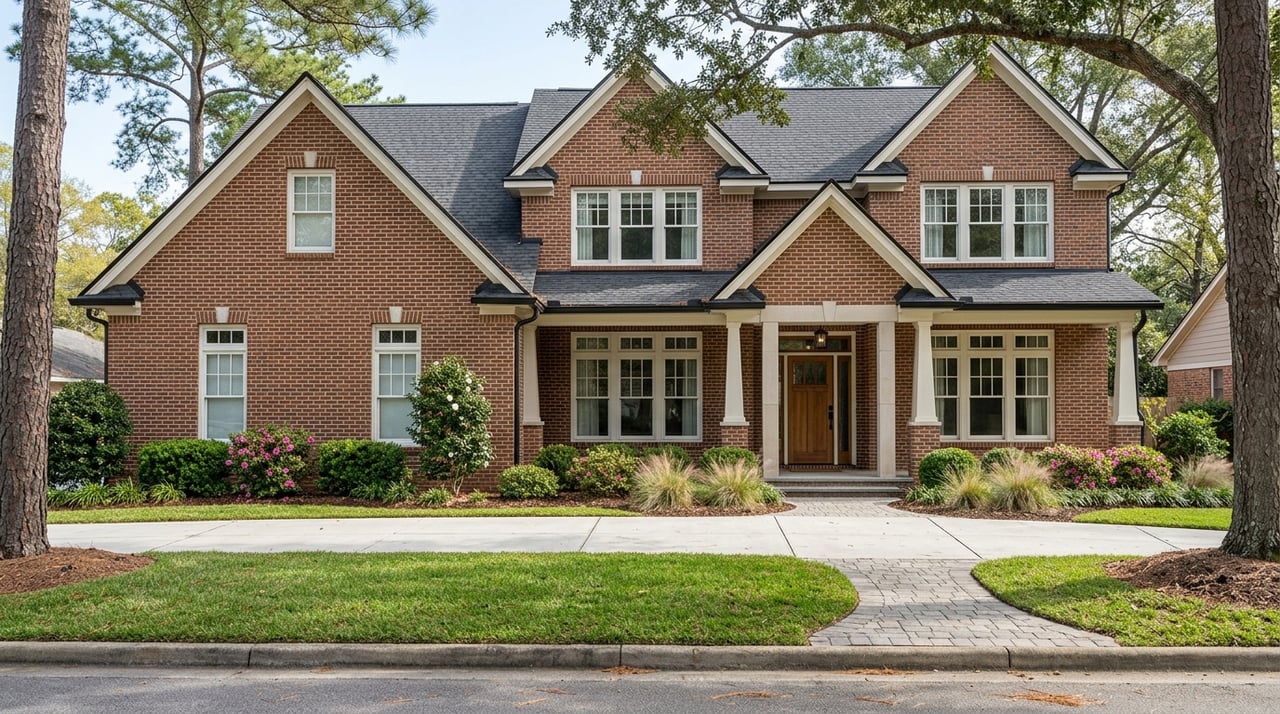
New construction around Conroe delivers a wide spectrum of lot widths and home types. Understanding these categories helps you compare apples to apples when you stack new builds against resale.
- Compact entry single‑family on 40 to 50‑foot fronts. These target first‑time or value‑minded buyers and appear in early phases of new master plans. As one local example, the Cielo community opened with 40‑, 45‑ and 50‑foot lots in initial releases, which mirrors what you will see in similar production neighborhoods. Check the lot mix example in The Signorelli Company’s Cielo announcement.
- Suburban move‑up on 50 to 70‑foot fronts. Expect typical single‑family plans from roughly 1,600 to 3,200 square feet depending on builder and elevation. Silverthorne’s early phases include 50‑, 60‑ and 70‑foot homesites per the Houston Chronicle’s report.
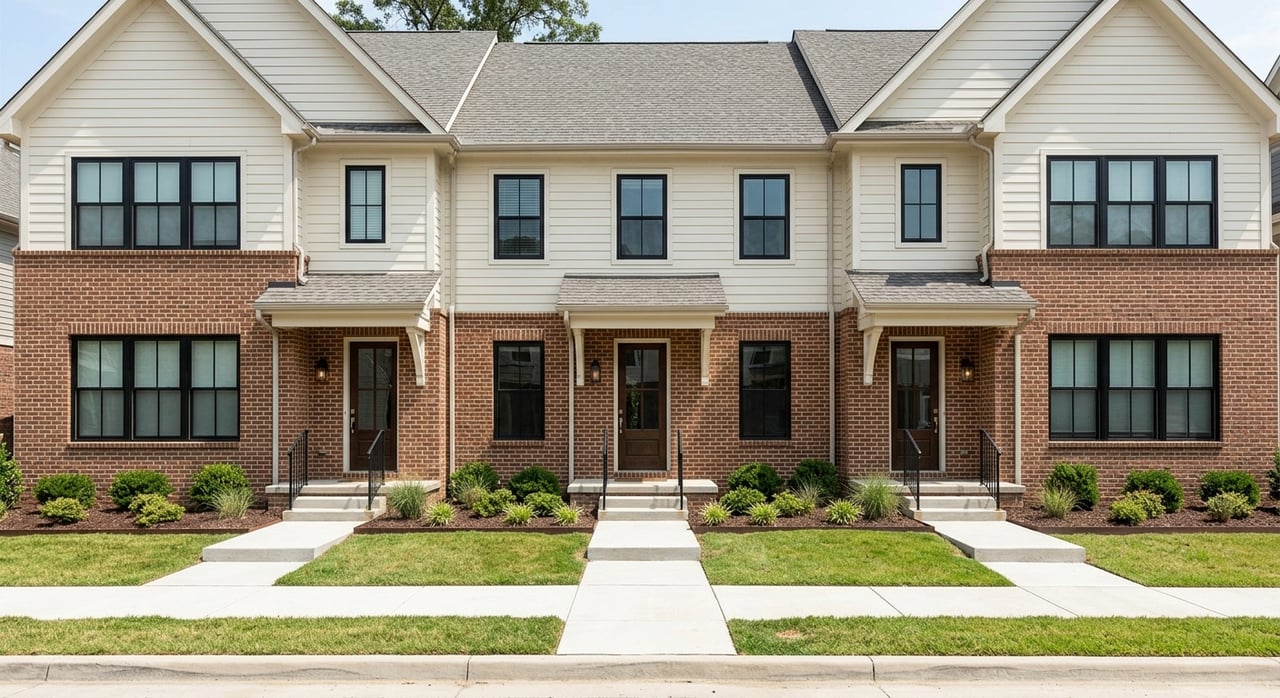
- Townhomes, patio homes, and 55+ enclaves. Many master plans carve out blocks for lock‑and‑leave or age‑targeted living with amenity access and smaller yard maintenance. Woodforest is one of several Johnson Development communities that have 55+ or patio‑style collections. See the types of neighborhoods and amenities listed on Johnson Development’s Woodforest page.
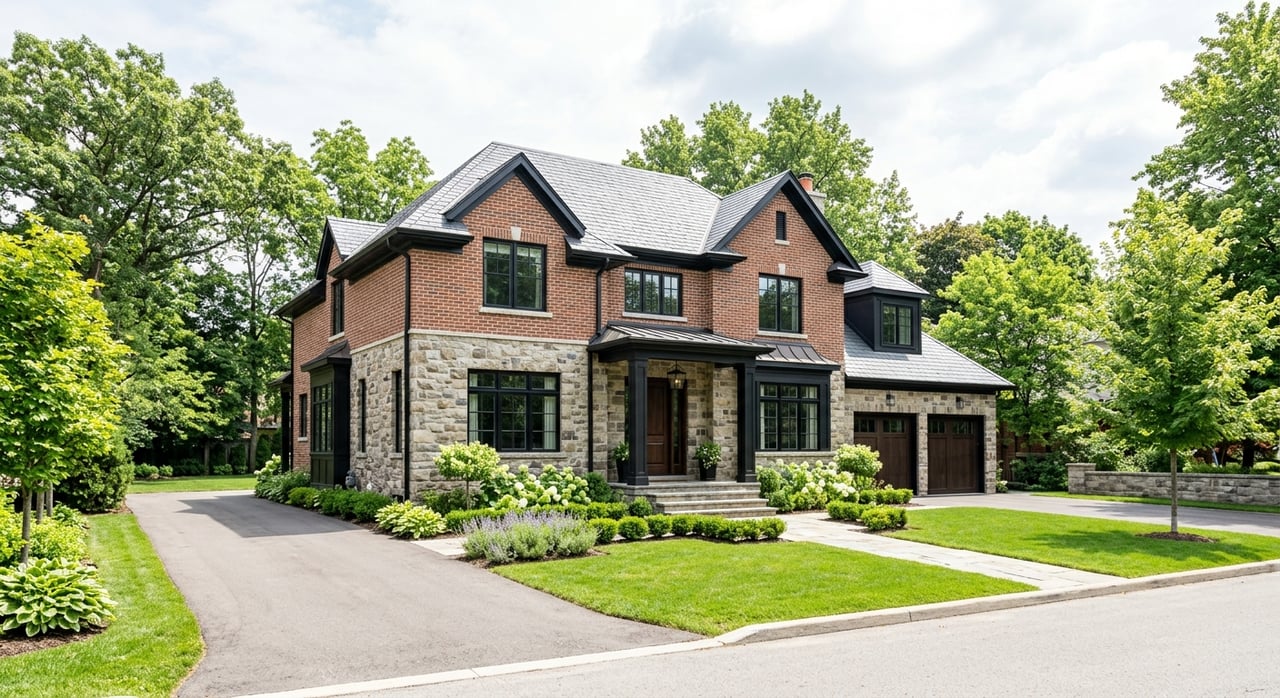
- Estate and lake‑area options. Larger lots and custom‑leaning sections remain concentrated around Lake Conroe and high‑amenity enclaves. These can feature bigger yards and different club or marina offerings than typical tract communities, and they usually price at a premium relative to entry production.
New build vs resale near the lake
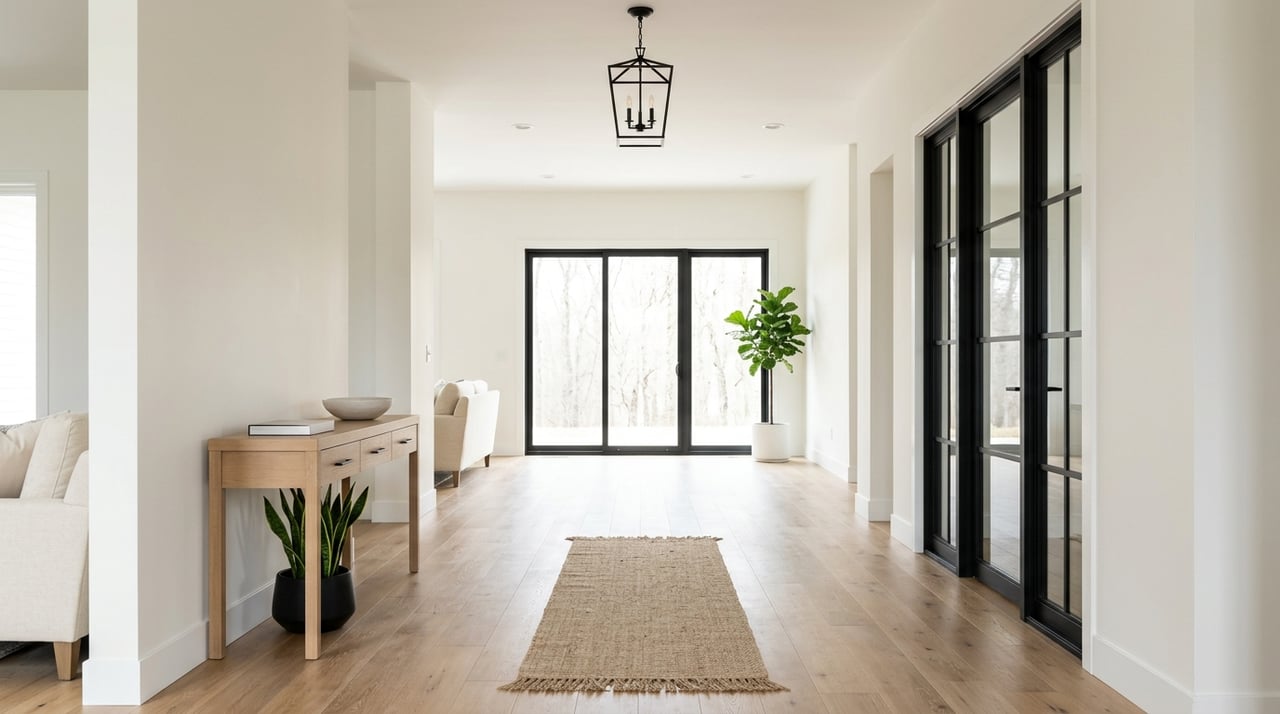
If you prefer newer finishes and community amenity centers, recent master plans can be very competitive with older resale, even when lots are smaller. In and around Grand Central Park, for example, the product mix runs from townhomes into the mid‑$300s up through luxury single‑family inside the same master plan, offering variety and on‑site retail. You can scan that range on Johnson Development’s Grand Central Park page. By contrast, established lakefront and golf communities often feature larger lots and club or marina access and may retain higher median prices.
The better choice depends on your priorities. If yard size and water access are non‑negotiable, established lake neighborhoods and select lake‑adjacent plats may fit best. If you value new construction, warranties, and a fresh amenity center near daily retail, new master‑planned sections are worth a close look.
Budgeting for MUDs, taxes, and fees
Most new subdivisions here are inside Municipal Utility Districts or WCIDs that fund water, sewer, drainage, and roads. MUD tax rates and assessments can materially change your monthly payment, so you want to review them early. Official Preliminary Official Statements list the MUD tax facts, anticipated water and sewer charges, and the status of lots and infrastructure. Before you write an offer, scan the relevant MUD bond disclosure for your section to understand carrying costs and timing.
HOA or POA fees, lot premiums, and any special assessments also affect your budget. Ask your builder’s sales team to itemize what is included versus optional so you can compare between communities. A small lot premium or higher MUD rate can offset a base price that looks lower on paper.
Timeline and contract basics you should know
Production and semi‑custom builds typically take several months from contract to move‑in. Consumer guides often cite about 6 to 9 months as a planning range for single‑family homes. Weather, material supply, and utility connections can add time, so build in a cushion. For a simple step‑by‑step overview of the process and timeline, see this new construction guide.
Builder contracts vary, but you will often see:
- Base price, lot premium, and upgrade allowances listed separately.
- An earnest money or deposit schedule tied to milestones.
- An estimated completion date with extension clauses for delays.
- Limited or modified financing contingencies and required use of preferred title or closing partners for certain incentives.
- Staged walkthroughs, such as pre‑drywall and final.
Warranties are a key benefit of new homes. Many national and production builders market multi‑year tiered coverage sometimes called 1‑2‑10. That typically means one year for workmanship, two years for major systems, and ten years for structural components, though terms differ by builder. You can read a plain‑English example of how these tiers work in this overview of 1‑2‑10 warranties. Always rely on the builder’s written warranty for exact coverage.
How to shop smart with a local agent
On‑site sales representatives work for the builder. Having your own agent means you have a professional focused on your interests who can explain contract language, help you weigh lot premiums and upgrades, and compare nearby resales. Consumer guides also recommend registering your agent at your first model‑home visit to preserve representation and negotiating leverage. For a straightforward summary of why representation matters with builders, review this buyer’s guide to new construction.
If you are considering Conroe or Lake Conroe, our team can help you map communities by commute, amenities, and budget, then line up model tours and third‑party inspections at the right stages. Ready to start the conversation and build a plan that fits your timeline? Reach out to The Hometown Team for neighborhood‑first advice and on‑the‑ground support.
Quick checklist before you choose
- Identify your top three corridors. Compare south/central convenience at Grand Central Park, northeast value and scale at Silverthorne, and lake‑area communities near Montgomery for larger‑lot or amenity living. Use Johnson Development’s GCP overview and the Chronicle’s Silverthorne details to frame options.
- Confirm current lot widths and model availability. Builder pages and sales offices update often. For a reference on compact lot mixes, see the Cielo lot‑width example.
- Review MUD taxes and utility fees. Pull the correct section’s MUD POS and compare total monthly costs across communities.
- Clarify contract and warranty terms. Ask for written details on deposits, timelines, walkthroughs, and warranty coverage. A 1‑2‑10 style warranty is common, but specifics vary. See this summary of typical warranty tiers.
- Verify school assignments before you commit. Developer pages often list current districts, but boundaries can change. Double‑check with the district for your exact homesite.
- Bring your agent on day one. Many builders require agent registration at the first visit. A buyer’s agent can help you compare incentives, schedule inspections, and keep your interests front and center. The steps and tips in this new construction guide are a helpful refresher.
FAQs
Where is most new construction happening around Conroe?
- Major growth spans south/central Conroe at Grand Central Park, northeast at Silverthorne near FM 1484, and lake‑area communities northwest toward Montgomery, with smaller MUD‑backed subdivisions filling in select sections.
What types of homes and lot sizes are builders offering in Conroe?
- You will find compact 40 to 50‑foot lots for entry buyers, 50 to 70‑foot lots for move‑up homes, townhomes and patio options, and larger lake‑area or estate‑style sites in specific neighborhoods.
How long does it take to build a new home in Conroe?
- Many production builds take roughly 6 to 9 months depending on plan, weather, and utilities, though timelines vary by builder and whether you choose a quick‑move‑in home or a lot start.
What should I know about MUD taxes and fees in new subdivisions?
- MUDs fund water, sewer, drainage, and roads, and their tax rates and monthly charges can impact affordability. Always review the subdivision’s official MUD statement before you buy.
How do new master‑planned communities compare with lakefront resales?
- New master plans often deliver fresh amenities and a wide price range from mid‑$300s to luxury, while established lakefront neighborhoods typically offer larger lots and marina or club access at higher price points.
Do I need my own agent when buying from a builder in Conroe?
- Yes, on‑site reps work for the builder, so your own agent helps with contract terms, incentives, inspections, and comparisons. Register your agent at the first model‑home visit to ensure representation.