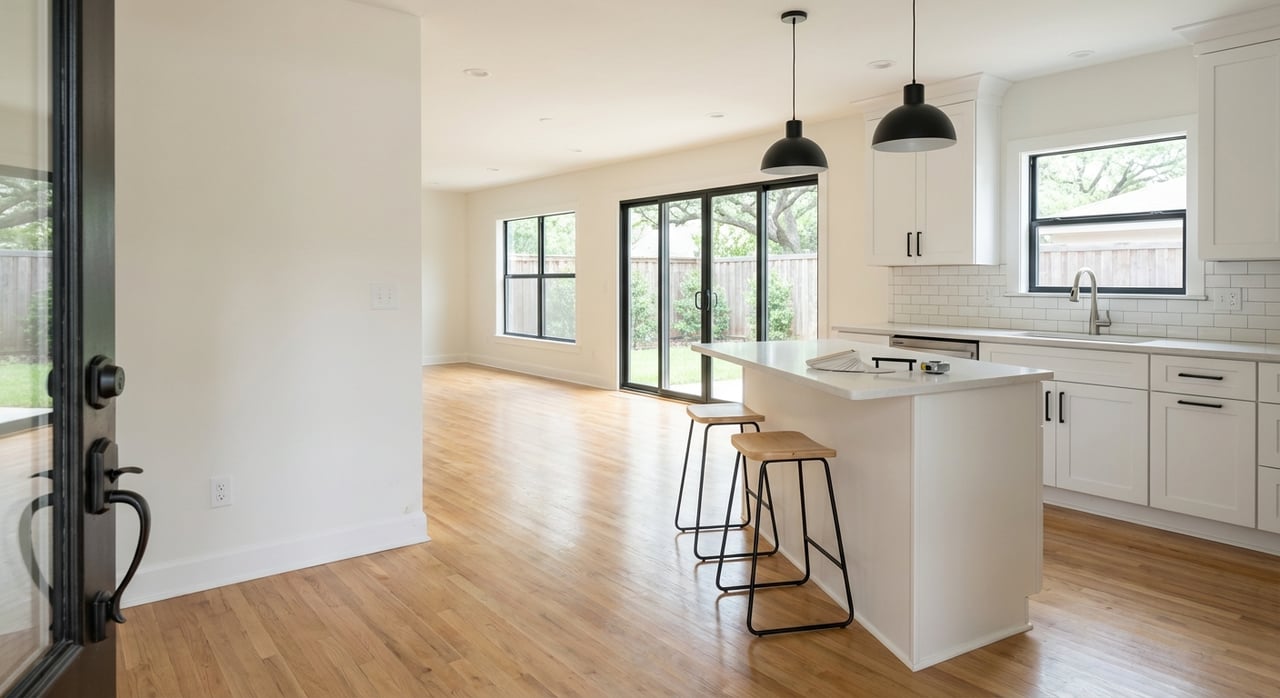
Thinking about selling a 15-plus-year-old home in Tomball and not sure if you should update first or sell as is? You are not alone. In today’s more balanced market, condition and presentation can make a real difference, but not every project pays off. In this guide, you will learn which updates tend to return the most, what Tomball buyers are looking for, how Texas “as-is” sales really work, and a simple framework to decide your next move. Let’s dive in.
Tomball market: why condition matters
Recent snapshots show Tomball median values ranging from about $340,000 to $400,000, with days on market commonly measured in weeks rather than days. Local data points vary by neighborhood and source, so use these numbers as a starting point rather than a rule of thumb. You can review a current overview on the Tomball housing market page for broader context at Redfin’s Tomball market summary.
During 2025 the greater Houston area shifted toward a more balanced market. That shift typically reduces the price premium for move-in-ready condition and increases buyer negotiating power on dated homes. As a result, targeted, lower-cost updates and strong staging usually shorten market time more reliably than large, high-cost renovations in a balanced setting. You can see that broader trend in HAR’s 2025 market wrap.
What Tomball buyers want right now
Across national surveys, buyers continue to value practical, low-maintenance living and energy efficiency. Features like a functional laundry space, outdoor living, efficient windows and appliances, and good exterior lighting often rank high. These preferences line up well with Tomball’s suburban profile and family-focused floor plans. For a national look at current design priorities, see the NAHB’s 2024 trends summary.
What does this mean for you? If your home is clean, functional, and easy to maintain, you attract a wider buyer pool. You do not need a full remodel to compete. Smart, visible tweaks plus a tidy presentation often do the most work.
High-ROI updates before you list
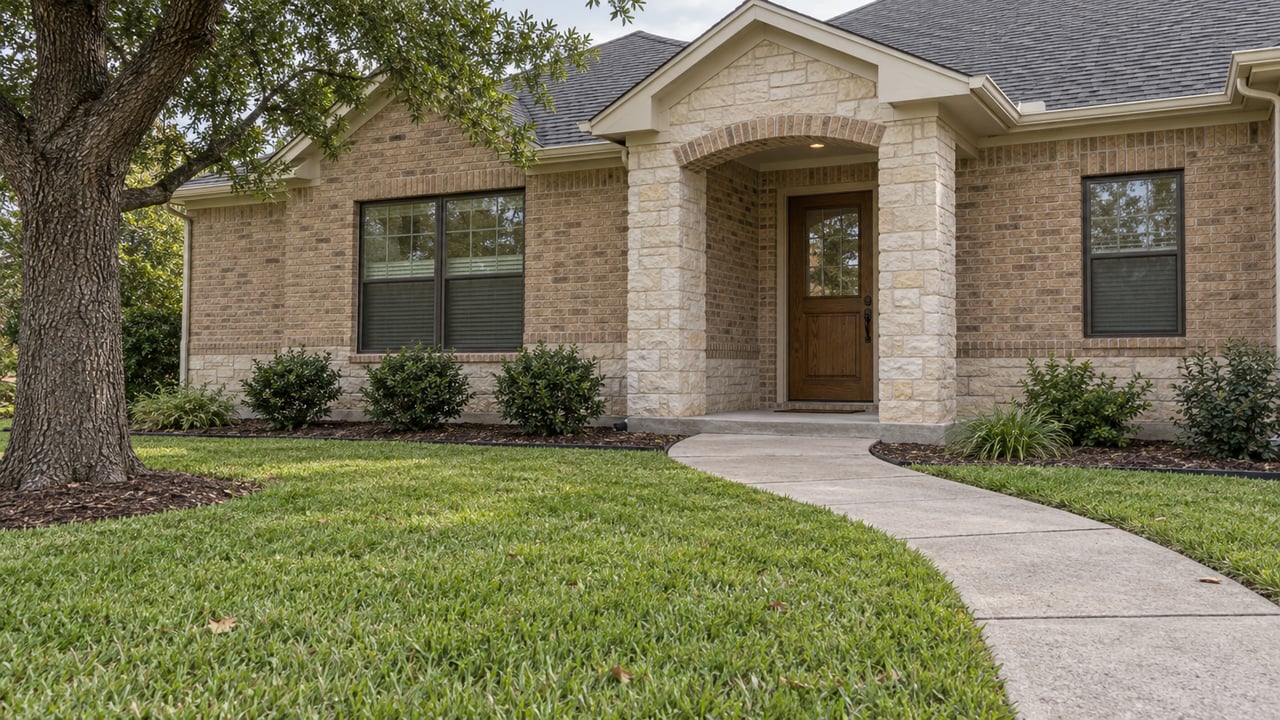
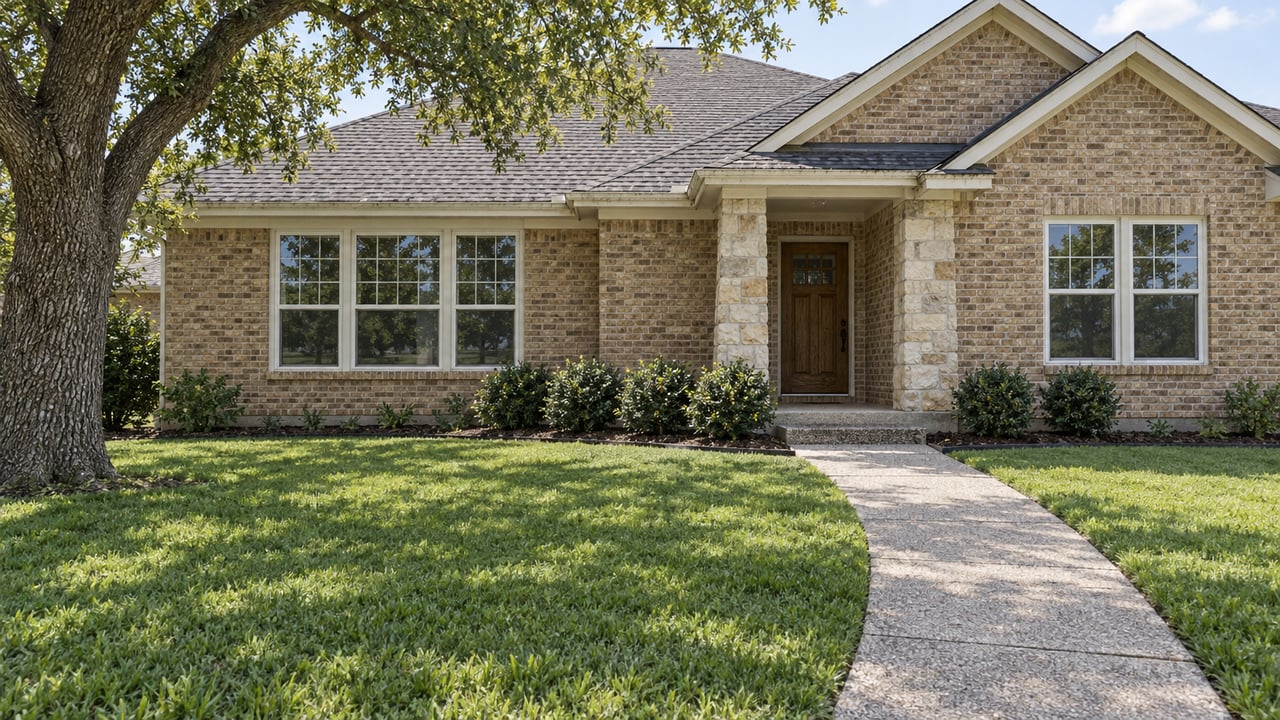
National Cost vs. Value benchmarks show that many of the best resale performers are exterior and curb-appeal projects. According to Zonda/Remodeling’s 2025 analysis, standouts often include:
- Garage door replacement
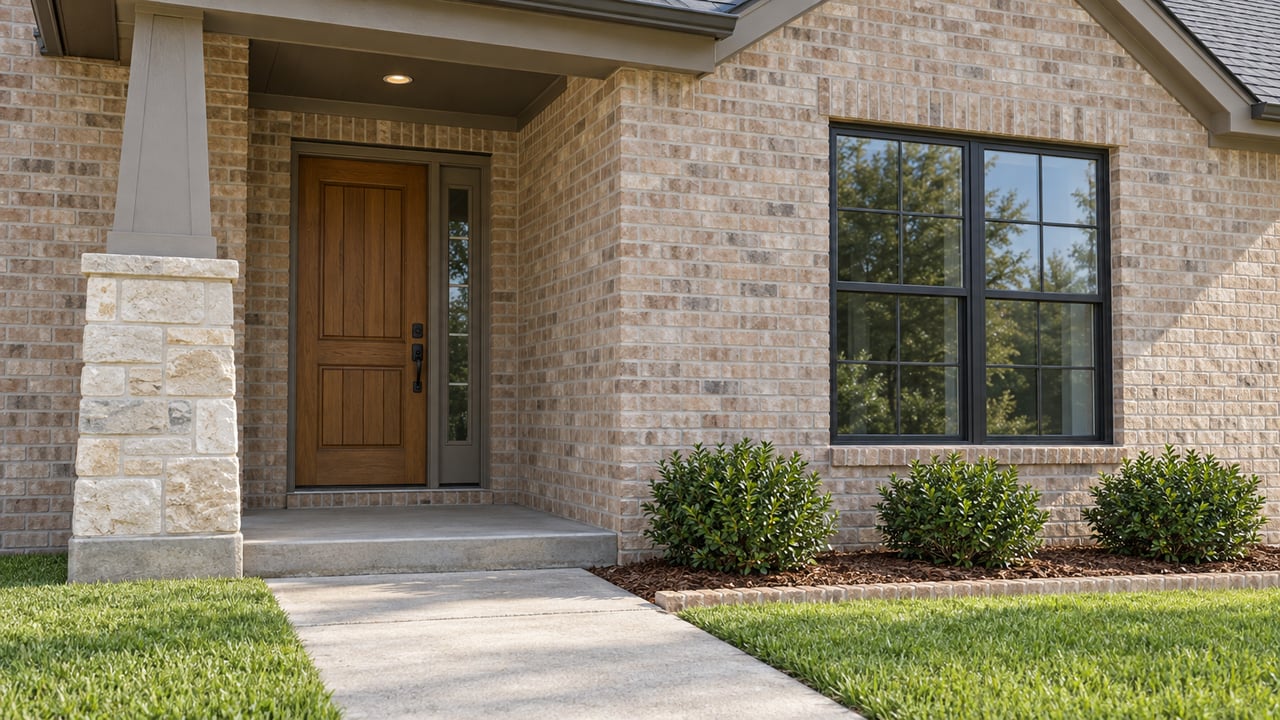
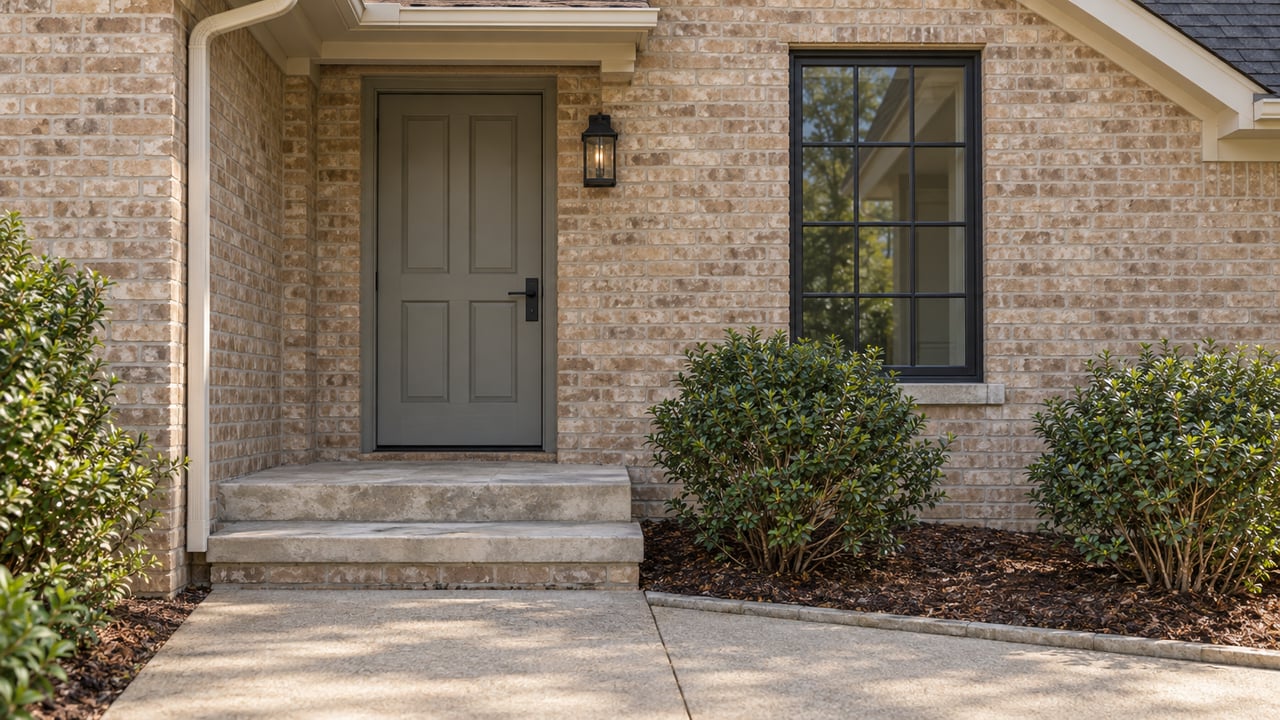
- Steel or upgraded entry door
- Manufactured stone veneer or siding refresh
- Minor (midrange) kitchen updates and bath refreshes
These projects tend to be lower to midrange in cost and deliver strong first impressions. Major custom overhauls usually recoup a smaller share at resale. Use the 2025 Cost vs. Value report as a directional guide, then weigh against local comps in your Tomball neighborhood.
Low-cost, high-impact basics also matter. Fresh neutral paint, deep cleaning, decluttering, simple landscaping, and swapping dated hardware or lighting can quickly lift perceived value. Focus first on anything buyers will notice in the first 30 seconds at the curb and in the first minute in the foyer and kitchen.
Common issues in 15-plus-year Tomball homes
Most older homes are solid but may have mechanical items or wear-and-tear that buyers scrutinize. Being proactive helps you price and negotiate with confidence.
HVAC and major systems
Central HVAC systems often get extra attention once they reach 10 to 15 years old. A professional tune-up, filter replacement, and a simple service record can reassure buyers. If the system is very near end-of-life, expect offers to reflect replacement cost.
Roof condition
Asphalt shingle roofs commonly serve 15 to 30 years depending on materials and exposure. If your roof is 15-plus years old, consider a roof inspection and a written condition summary. Buyers and some lenders may ask for a certification or expect a price adjustment if replacement is near.
Water heaters, plumbing, and electrical
Buyers check ages and look for obvious safety issues. Signs of past leaks, aging water heaters, or outdated electrical panels invite questions. A quick review by licensed trades can help you decide whether to fix, price accordingly, or sell as is with full disclosure.
Foundation and soils
The Tomball area includes expansive clay soils. Seasonal moisture swings and drainage issues can lead to settlement signs such as sticking doors, stair-step brick cracks, or uneven floors. If you see warning signs, get a foundation specialist’s estimate and, for larger concerns, an engineer’s report so you can set a strategy.
Termites and wood-destroying insects
Subterranean termites are active across the Houston metro. A wood-destroying insect inspection is standard in many Texas transactions, and any evidence or prior treatments should be disclosed. Learn more about termites in Texas from Texas A&M’s resource.
Flooding and drainage
Localized street or drainage flooding can occur even outside FEMA 1 percent flood zones. Buyers will ask about flood history, FEMA map status, and any recent drainage improvements. The City of Tomball provides helpful context on floodplain management. Be prepared to discuss flood insurance, prior water intrusion, and any documentation you have.
Texas disclosure and as-is basics
Texas sellers of previously occupied single-family homes generally must complete the TREC Seller’s Disclosure Notice. Selling as is does not allow you to hide known defects. You still need to disclose material issues truthfully and completely using the TREC Seller’s Disclosure form.
In local practice, buyers can accept a property in its present condition while still keeping standard inspection and negotiation rights during the option period unless they waive those rights. In other words, you can market as is, but expect inspections and potential negotiations unless the contract says otherwise. For a helpful overview of how the option period and as-is language work together, review this HAR contract explainer.
A simple decision framework
Use three lenses to choose between updating and selling as is: market and price tier, cost vs. recoup, and your timeline and risk tolerance.
1) Market and price tier
Entry-level and midrange homes often attract first-time and value-focused buyers who want functional, move-in-ready spaces. Modest, visible updates broaden that buyer pool. Higher-priced homes may compete with more recently updated listings, so selective staging and finishes matter more. The region’s balanced conditions in 2025 favor targeted improvements over full-scale remodels, as noted in HAR’s market review.
2) Cost vs. likely recoup
Compare contractor bids to likely market uplift using Cost vs. Value benchmarks and local comps. Exterior upgrades and minor kitchen or bath refreshes often offer strong recoup rates, while major custom renovations rarely return dollar-for-dollar at resale. Use the 2025 Cost vs. Value report as a starting point, then calibrate using recent Tomball sales that show updated vs. original condition.
3) Time, carrying cost, and certainty
If you need a quick sale or cannot fund repairs, selling to a buyer who will accept current condition may be the smartest route. Those buyers usually expect a lower price or other concessions. If you have time and the market rewards condition, a few high-visibility updates plus strong staging can increase both interest and net proceeds. Local practice allows buyers to inspect and negotiate even in as-is sales unless they waive those rights, as outlined in HAR’s contract explainer.
When to market explicitly as is
- You are priced to reflect condition and need speed or simplicity.
- You expect interest from investors or rehab-minded buyers who close quickly.
- There are complex estate or title issues and the buyer pool expects to renovate.
Even then, complete required disclosures truthfully. The TREC Seller’s Disclosure remains your roadmap for what to share.
Step-by-step plan for Tomball sellers
Follow this simple plan to set strategy and protect your bottom line.
Request a local market consult. Ask your agent for recent solds and actives separated by “updated” vs. “original” condition, plus median days on market. That snapshot will show how much condition is driving value in your specific neighborhood and price tier.
Order a pre-listing inspection. A general inspection, plus a WDI termite inspection, helps you spot safety items early. Use reports to get bids and to support your disclosures.
Tackle the quick wins first. Deep clean, declutter, fresh neutral paint where needed, basic landscaping, and minor repairs reduce buyer objections and show care.
Weigh 1 to 2 high-ROI projects. Consider curb-appeal upgrades like a new garage or entry door, siding or trim touchups, or a minor kitchen refresh. Compare costs to likely recoup using the Cost vs. Value report.
Decide on bigger-ticket systems. For older HVAC, water heaters, or roofs near end-of-life, gather at least two bids. If you do not plan to replace, price with transparency and share service histories or inspections.
Check energy credits if upgrading. If an efficient HVAC or window project is on the table, review the IRS Energy Efficient Home Improvement Credit. Credits can lower your net cost when a project is borderline.
Prepare clear, complete disclosures. Use the TREC Seller’s Disclosure and include known flood, drainage, termite, and past repair information. Transparency builds trust and reduces contract fallout.
If selling as is, be intentional. Target likely buyers, set a price that reflects condition, and streamline terms. Expect that many buyers will still want an inspection during the option period unless they waive it per the standard Texas contract framework noted by HAR.
Local notes to keep in mind
Parcel and zoning details vary. The Tomball area spans different taxing entities and school district boundaries, which can influence buyer questions and carrying costs. Local coverage highlights how community growth patterns shape demand in and around Tomball. See discussion in the Houston Chronicle’s regional piece.
Floodplain awareness adds confidence. Buyers value clear information about FEMA maps, past water intrusion, and nearby drainage work. The City’s floodplain management page is a good starting point for your file.
Bottom line for Tomball sellers
If your older Tomball home is basically sound, start with cleaning, light touchups, and a few high-ROI, high-visibility updates. In a balanced market, these moves usually do more for your net than a major remodel. If inspection findings reveal larger issues, decide whether to repair or price accordingly and consider an as-is route with strong disclosures.
A local agent can help you compare updated vs. original comps, estimate likely recoup, and build a smart timeline. If you want a practical plan tailored to your address, reach out to The Hometown Team. We will walk you through options and help you move forward with confidence.
FAQs
What updates have the best ROI before selling in Tomball?
- National data points to curb-appeal projects and minor kitchen or bath refreshes as strong performers, while major custom overhauls usually recoup less at resale.
What does selling a Texas home “as is” actually mean?
- You can decline to make repairs by default, but you still must disclose known material defects and buyers often keep inspection and negotiation rights during the option period.
How should I handle an older roof or HVAC when listing an older Tomball home?
- Get inspections or service records, gather at least two bids if replacement is near, then decide whether to repair or price to reflect remaining life and share documents with buyers.
What should Tomball sellers disclose about flooding and drainage?
- Disclose any known flood or water-intrusion history, check FEMA map status, and share relevant documents; buyers may ask about flood insurance and local drainage projects.
Will a minor kitchen refresh pay off when I sell?
- Often yes compared to full remodels, but results depend on your price tier and competing listings, so compare costs to likely uplift using current comps and ROI benchmarks.