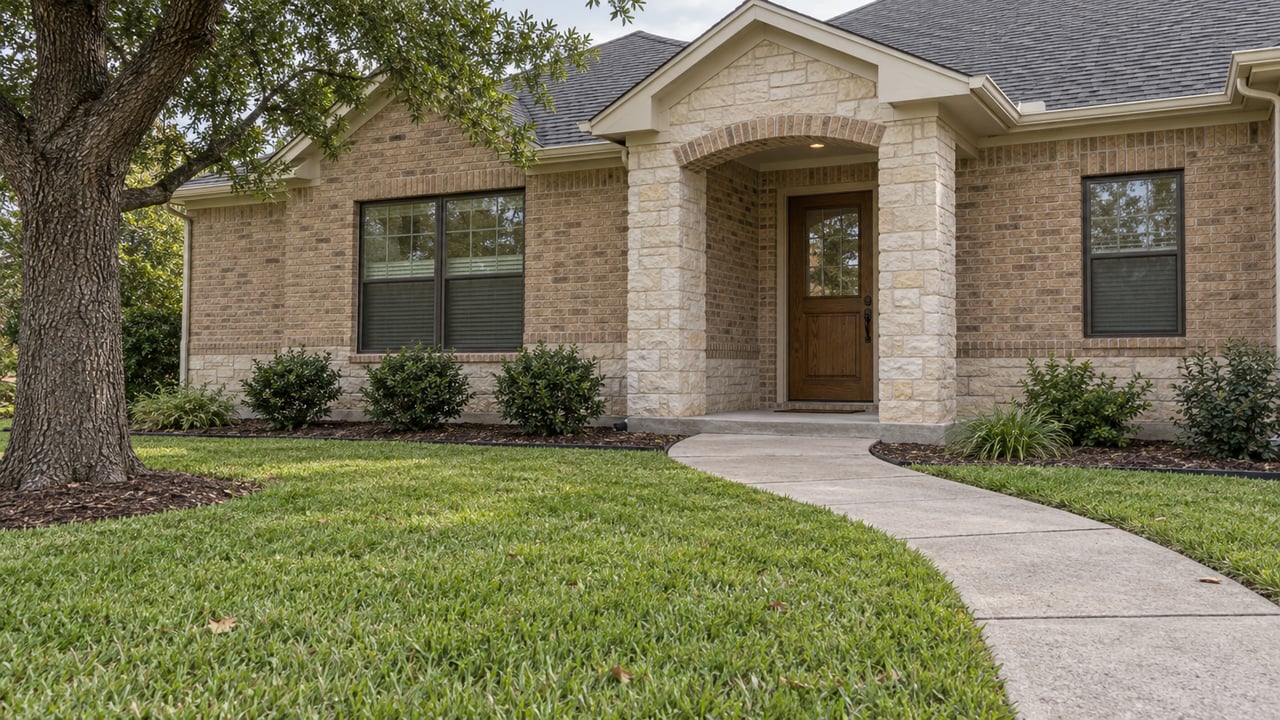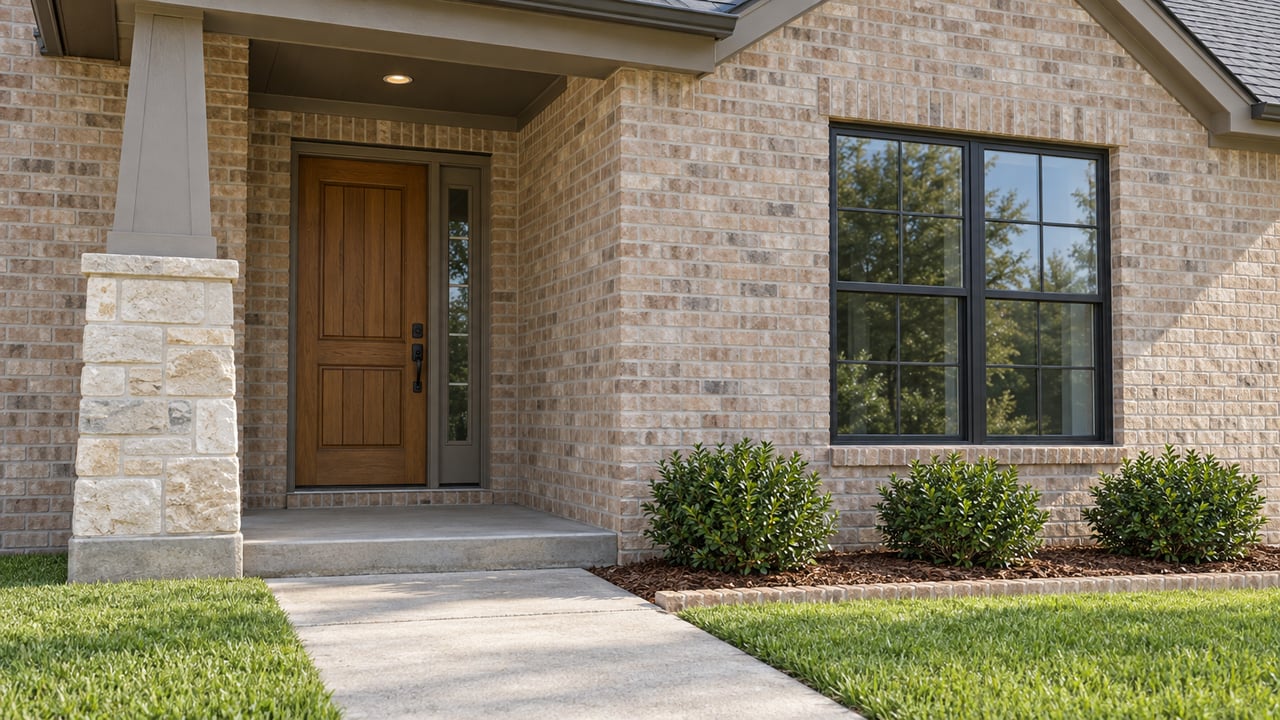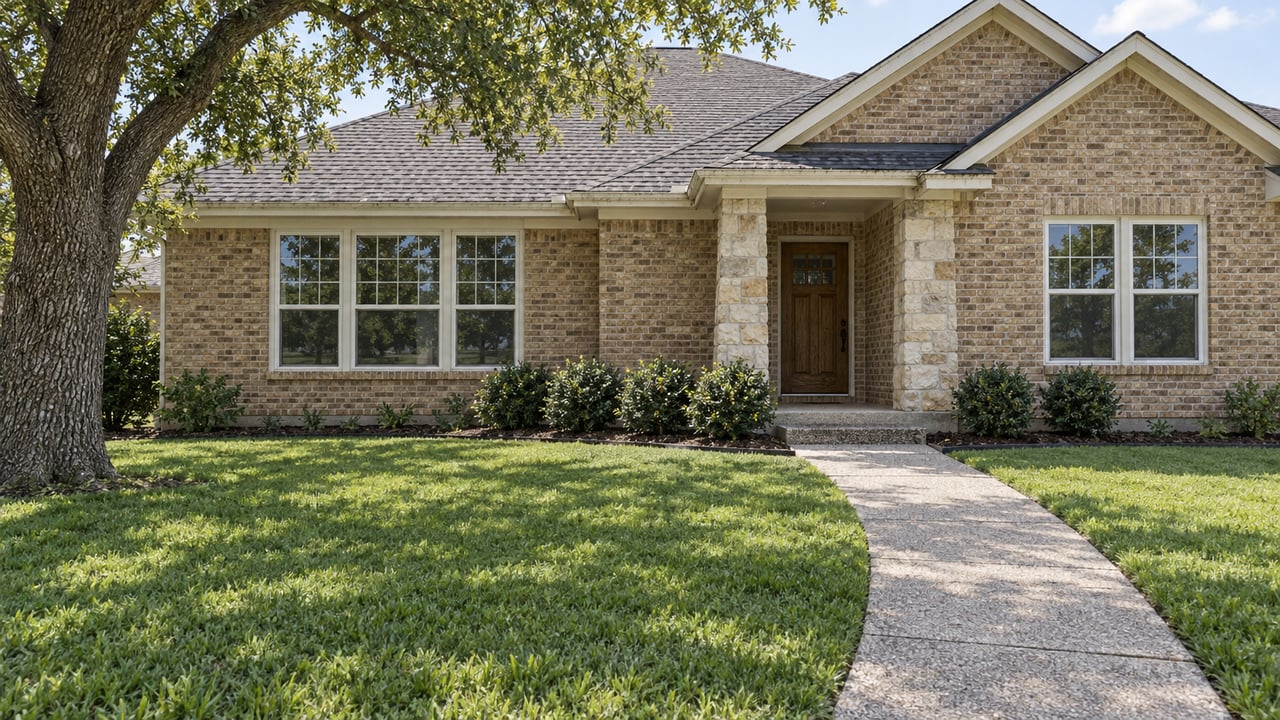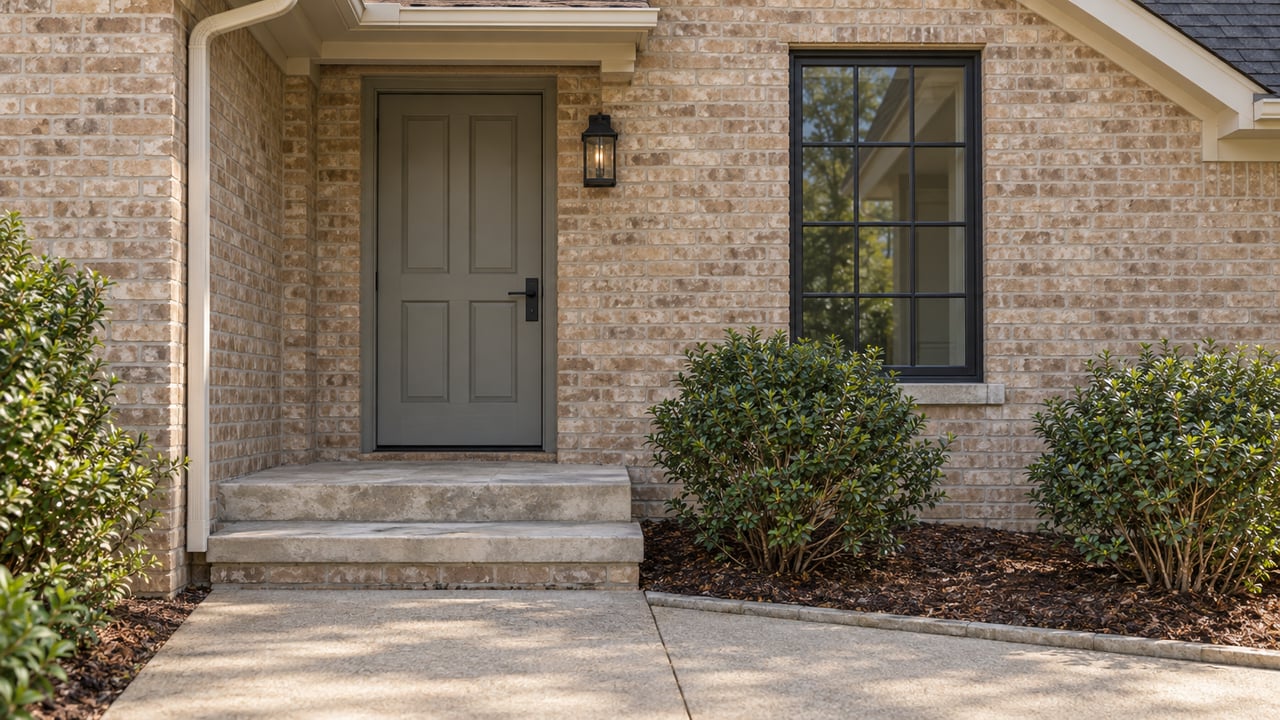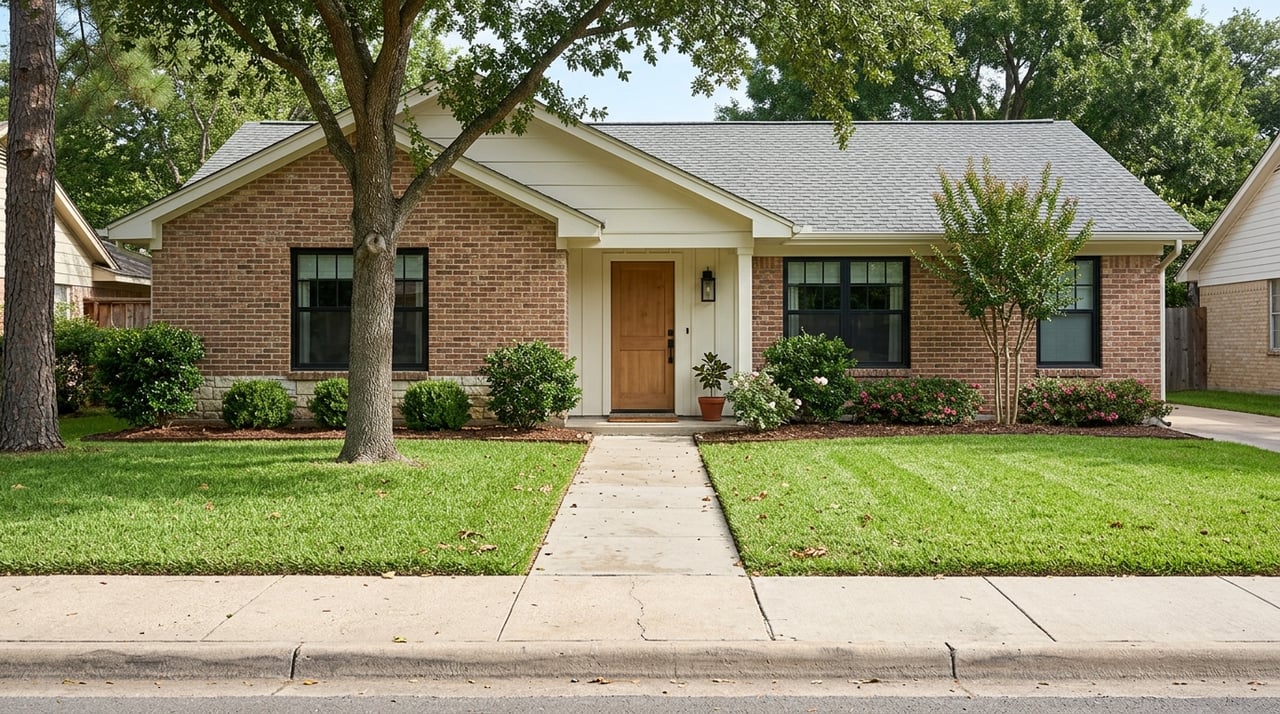
Looking at homes in Spring, TX can feel a little like shopping across several different markets at once. One street may offer tall pines, larger lots, and homes from an earlier era, while another may lead you into a newer master-planned community near major commuter routes. If you are trying to decide what fits your lifestyle, this guide will help you compare Spring’s neighborhood styles from old to new and understand the trade-offs that matter most. Let’s dive in.
Why Spring Has So Many Styles
Spring is mostly in Harris County, with a smaller portion in Montgomery County, and it is an unincorporated census-designated place rather than an incorporated city. That means your experience can vary a lot by subdivision, utility setup, tax district, and HOA rather than by one city government structure.
Spring’s development pattern also reflects its transportation network. I-45, the Grand Parkway, and the Hardy Toll Road have helped shape where and how neighborhoods grew, which is one reason you see a clear mix of older wooded subdivisions, established master-planned communities, and newer corridor-adjacent neighborhoods.
Old Town Spring also gives the area a long local history, with roots dating back to 1838. That history shows up less in one uniform architectural style and more in the layered way Spring has grown over time.
Older Wooded Neighborhoods
If you picture Spring as shady streets, mature trees, and homes with a settled feel, you are likely thinking of its older subdivisions. These communities often appeal to buyers who want character, larger lots, and a more established streetscape.
Champion Forest
Champion Forest began development in 1976, according to the HOA. The neighborhood is described as a wooded retreat with traditional-style homes, quiet tree-lined streets, large lots, deed restrictions, and an active HOA board, with PUD water, sewer, and trash management.
The HOA also notes that Champion Forest was designated a bird sanctuary in 1980. For many buyers, that helps paint a picture of a neighborhood where the natural setting is part of the appeal.
Ponderosa Forest
Ponderosa Forest traces its association back to 1967. The HOA describes the community as heavily wooded, with generous lots, mature native pine trees and oaks, and homes carved into forested lots.
The neighborhood also emphasizes deed restrictions, architectural guidelines, and assessments. If you are drawn to a natural setting and an established feel, this type of community can be appealing, but it also comes with neighborhood standards and ongoing obligations.
Spring Creek Forest
Spring Creek Forest is described as a quiet Spring/Klein community with tall loblolly trees, large wooded lots, and quaint lamp lighting. Amenities include an Olympic-sized pool, clubhouse, courts, playground, field space, and nearby trails.
That combination gives you a sense of what many buyers like about older neighborhoods in Spring. You can often find a mature landscape and a true neighborhood feel, while still having shared amenities.
What Older Neighborhoods Offer
Older wooded communities tend to attract buyers who value shade, lot size, and a more established look. They can feel calmer and more settled because the trees, landscaping, and street patterns have had decades to mature.
The trade-off is usually maintenance and updating. Based on the age of these neighborhoods and their HOA structures, buyers should be prepared for exterior upkeep and the possibility of updating older systems or finishes over time.
Established Master-Planned Communities
If you want something between old and new, an established master-planned community can offer a useful middle ground. These neighborhoods often feel more structured than older subdivisions, but they also have enough history to feel settled rather than brand new.
Gleannloch Farms
Gleannloch Farms is described by its community association as a modern master-planned community of nearly 3,200 homes in northwest Harris County. Amenities include a golf course, three recreation centers, pools, sports facilities, playgrounds, schools, and businesses.
The community also points to its history as a former horse farm, with original stables and a barn still in use. That blend of preserved history and a large amenity package gives the neighborhood a distinct position in the Spring-area market.
Why the Middle Ground Appeals
Established master-planned neighborhoods can work well if you want a planned-community layout and robust amenities without giving up every bit of neighborhood maturity. In many cases, they offer a balance of community structure, recreational options, and a more established overall feel.
For some buyers, this style checks several boxes at once. You may get a neighborhood with broad appeal for daily living, while avoiding the full maintenance profile that can come with some older wooded subdivisions.
Newer Communities Near Major Corridors
Spring also has newer neighborhoods that reflect more recent growth patterns. These communities are often located near major transportation routes and are designed around newer infrastructure, shared amenities, and more managed community systems.
Springwoods Village
Springwoods Village is described as a 1,800-acre master-planned community in Spring, adjacent to the ExxonMobil corporate campus and Interstate 45. The project was planned around sustainable development, drainage, traffic, roadway infrastructure, and low-impact development concepts.
It includes multiple neighborhoods and places of business. For buyers, that often signals a community shaped by modern planning and strong regional connectivity.
Woodson's Reserve
Woodson's Reserve is described as a community built around nature trails, preserved nature, lakes, and a resort-style amenity center. Its community materials also note five distinct lot-size sections and modern homes just off the North Grand Parkway.
That setup appeals to buyers who want newer homes with shared parks, trails, lakes, and recreation spaces. It also shows how newer communities in Spring often combine convenience with planned amenities.
Imperial Oaks Communities
The Meadows at Imperial Oaks is described as a naturally wooded master-planned community with access to I-45, the Sam Houston Tollway, the Hardy Tollway, and George Bush Intercontinental Airport. Falls at Imperial Oaks describes itself as a master-planned community near Spring and The Woodlands with amenities, a year-round lifestyle calendar, and access to nearby shopping and entertainment.
These communities help illustrate the newer side of Spring’s housing options. They blend neighborhood amenities with transportation access in a way many relocation buyers and commuters find practical.
What Newer Neighborhoods Offer
Newer corridor-adjacent communities often appeal to buyers who want newer construction, community amenities, and easier access to major routes. If your daily routine involves commuting or frequent travel around the north Houston area, location relative to I-45, the Hardy Toll Road, or SH 99 can be a major factor.
The trade-off is usually a more managed environment. These neighborhoods often have HOA rules, design standards, amenity systems, and less of the large-tree, large-lot feel commonly found in older subdivisions.
How To Compare Old and New in Spring
Once you narrow down your preferred style, it helps to compare neighborhoods through a few practical lenses. In Spring, small address-level differences can have a big effect on your experience.
Compare HOA Structure
Older neighborhoods like Champion Forest and Ponderosa Forest show how deed restrictions, architectural control, and assessments shape neighborhood life. Newer master-planned communities also tend to have strong HOA systems, often centered around amenities, design standards, and organized community features.
The key is not whether an HOA exists, but how it functions in that specific neighborhood. Two communities can feel very different even if both have active restrictions and assessments.
Compare Commute Access
Road access is one of the clearest lifestyle differences in Spring. Depending on the neighborhood, your daily route may be more closely tied to I-45, the Hardy Toll Road, or SH 99.
If convenience is a top priority, this should be one of the first things you compare. A neighborhood that looks great on paper may feel less practical if the drive pattern does not match your routine.
Compare Maintenance Expectations
Older wooded neighborhoods may offer more lot character and established landscaping, but that often comes with more exterior upkeep and future updating. Newer communities tend to shift the experience toward newer construction and managed amenities.
Neither option is automatically better. It comes down to whether you would rather take on more home and landscape maintenance or prefer a more structured neighborhood environment.
Compare Address-Specific Districts
Because Spring is split between Harris and Montgomery counties and is not incorporated, exact service setups can change by address or subdivision section. School district, tax district, utility district, and other service details may vary depending on where the property is located.
That is why hyperlocal guidance matters here. Two homes with a Spring address may come with meaningfully different district and service details.
A Simple Way To Think About Spring
For many buyers, the easiest way to understand Spring is to sort neighborhoods into three groups: older wooded subdivisions, established master-planned communities, and newer corridor-adjacent neighborhoods. That framework matches how the area has actually developed and makes it easier to compare homes based on lifestyle rather than just square footage.
If you love shade, character, and a settled feel, an older neighborhood may be your best fit. If you want balance, an established master-planned community may give you the right blend of amenities and maturity. If you want newer construction and easier access to major roads, the newer communities may make the most sense.
The right choice depends on how you live day to day. A neighborhood-first approach can help you focus on commute needs, maintenance tolerance, HOA expectations, and the kind of setting that feels most like home.
If you want help comparing Spring neighborhoods with your goals in mind, The Hometown Team is here to guide you with local, patient, relationship-first support.
FAQs
What are the main neighborhood styles in Spring, TX?
- Spring neighborhoods generally fall into three broad categories: older wooded subdivisions, established master-planned communities, and newer corridor-adjacent communities.
What defines older neighborhoods in Spring, TX?
- Older Spring neighborhoods often feature mature trees, larger lots, traditional-style homes, and a more settled street feel, along with deed restrictions and ongoing upkeep considerations.
What is an example of an established master-planned community in Spring, TX?
- Gleannloch Farms is a well-known example, with nearly 3,200 homes and amenities such as recreation centers, pools, sports facilities, a golf course, and playgrounds.
What do newer Spring, TX communities usually offer?
- Newer communities often offer newer homes, shared amenities, planned infrastructure, and convenient access to major routes like I-45, the Hardy Toll Road, and SH 99.
Why do address details matter in Spring, TX?
- Because Spring is unincorporated and spans both Harris and Montgomery counties, school district, tax district, utility district, and service setups can vary by address or even by subdivision section.