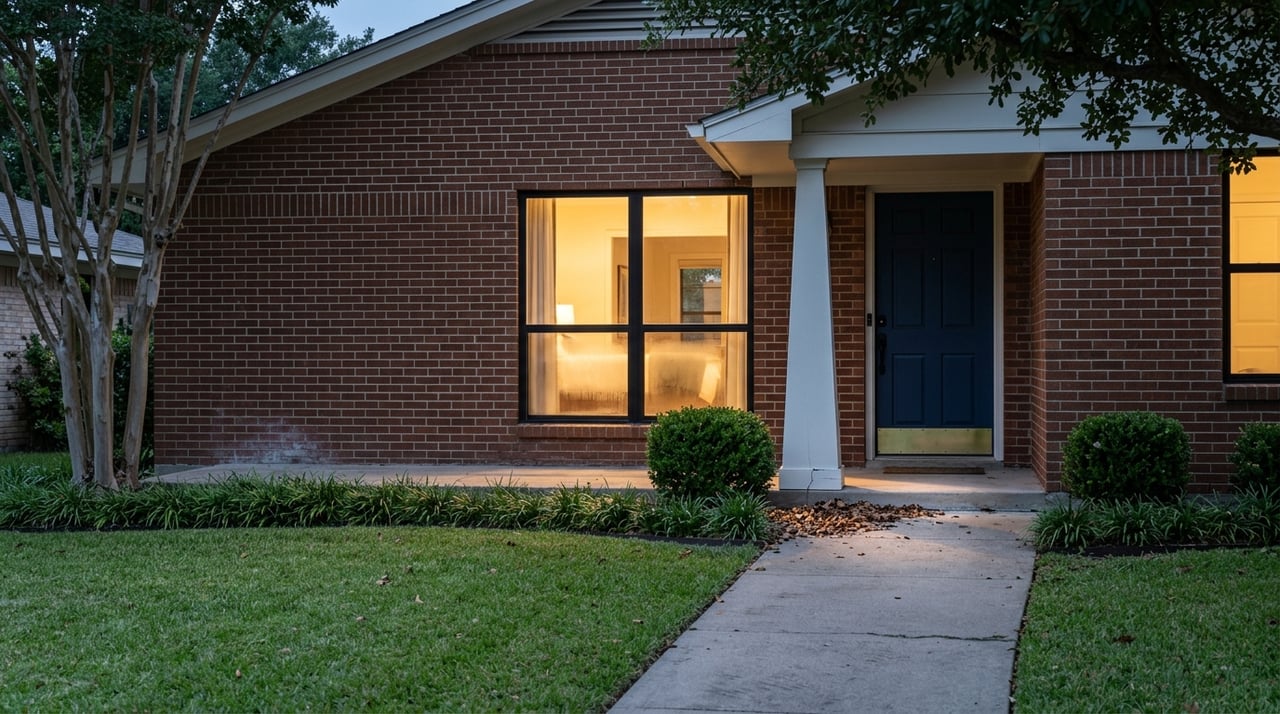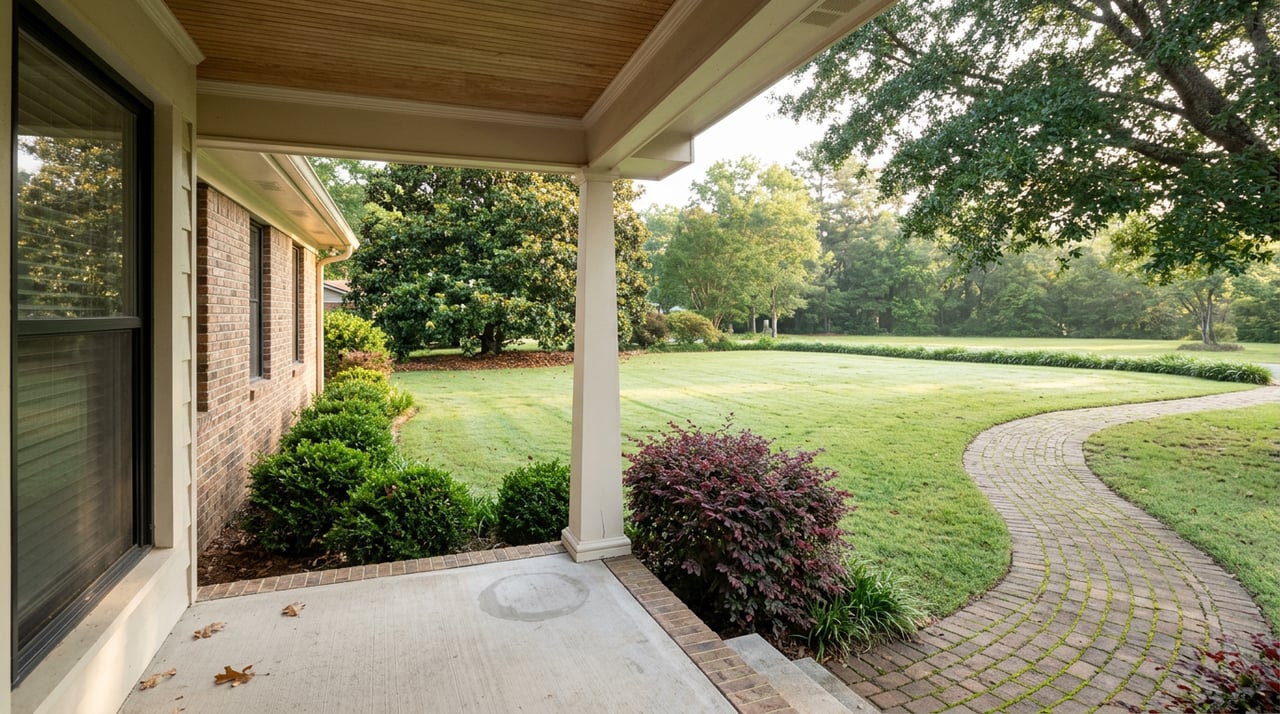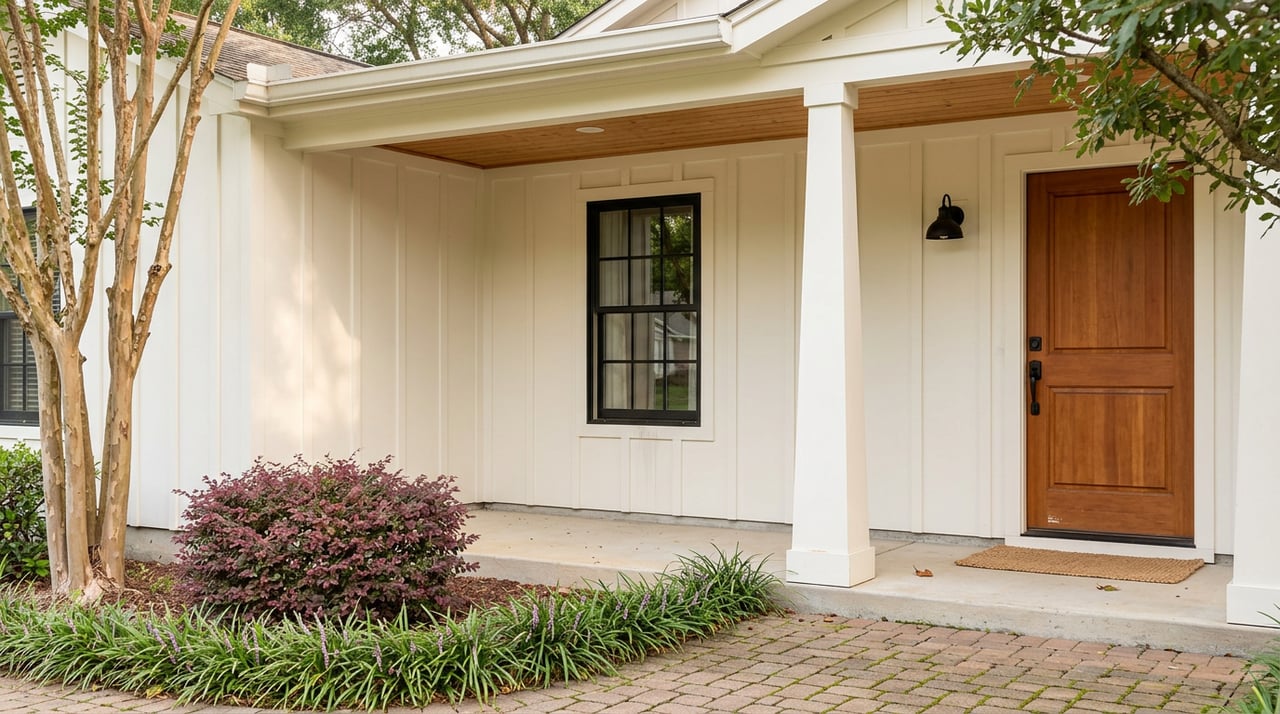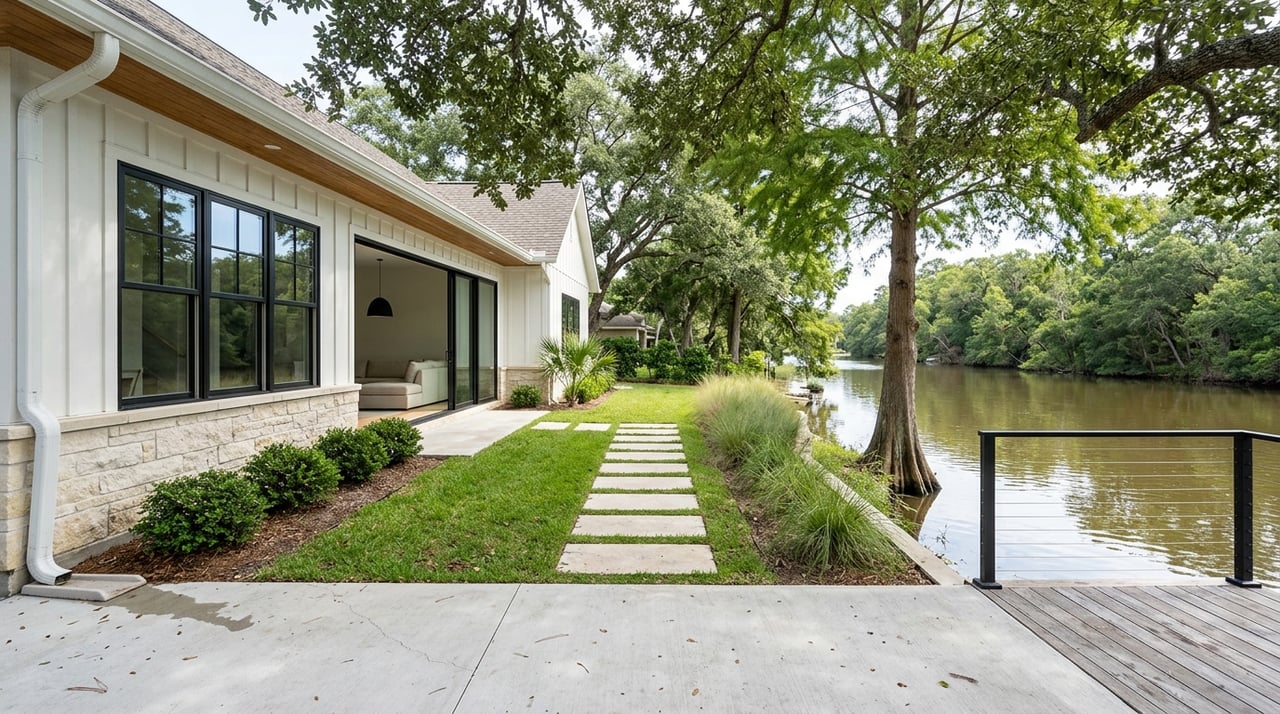
If living near Lake Conroe in Willis is on your wish list, you are not alone. The draw is easy to understand: quick access to the water, a more relaxed pace, and a range of homes that can fit very different lifestyles and budgets. The tricky part is that “near the water” can mean several different things, and the details can change your costs, maintenance, and long-term plans. This guide will help you sort through the options, understand the local rules, and focus your search with more confidence. Let’s dive in.
Why Willis draws lake buyers
Willis sits just minutes from Lake Conroe and within reach of the Houston area, which makes it appealing if you want water access without being far from everyday conveniences. Lake Conroe itself is a large reservoir on the West Fork of the San Jacinto River in Walker and Montgomery counties, with about 19,640 acres of water surface at conservation pool.
That setting gives you more than one way to enjoy the lake. You might want a true waterfront home, a neighborhood with shared marina access, or simply a home close enough to enjoy the lake lifestyle without taking on shoreline upkeep.
Start with your access level
The easiest way to avoid guesswork is to decide how you want to use the lake before you compare homes. In Willis, most buyers fit into one of three practical categories.
Daily boating or private slip needs
If you plan to be on the water often, your search should focus on communities built around boating access. In Willis, Seven Coves is an established residential community with a clubhouse, marina, pool, 288 boat slips, a private boat launch for marina tenants and residents, and a private fishing pier.
Point Aquarius is another lakeside option with a private protected marina, two boat ramps, and access to Willis and Conroe. Lakewood on Lake Conroe also reflects this style of ownership, where some homes are part of a community organized around shared marina and slip infrastructure instead of a private dock at every property.
For this type of buyer, the right question is not just “Is it near the lake?” It is “How easy is it for me to get on the water every week?”
Weekend access and neighborhood lake feel
You may want the lake experience without paying for full waterfront ownership. In that case, a lake-access community can offer a practical middle ground.
Lake Conroe Cove is a good example in Willis. It offers boat slips with direct Lake Conroe access, a dedicated fishing dock, and convenient access to downtown Willis and I-45. For many buyers, this setup provides the feel of lake living without all the obligations that can come with a shoreline lot.
Close to the water with less upkeep
Some buyers care more about location than shoreline features. If your goal is to stay near Lake Conroe while keeping exterior maintenance lower, condos and townhomes can be worth a look.
Lake-area condos and townhouses are treated as a distinct segment across Willis and nearby communities. That can be a smart fit if you want quick access to marinas, dining, or recreation but do not want to manage the demands of a waterfront lot.
Waterfront does not always mean simple
A home on or near Lake Conroe can be appealing, but shoreline ownership comes with extra layers. Lake Conroe is managed as both a water-supply reservoir and a recreation destination, and the San Jacinto River Authority oversees reservoir operations, water quality, navigational safety, and the regulation of structures and commercial operations on the reservoir.
That matters because features like docks, bulkheads, and other shoreline structures are not automatic rights. If you are assuming you can add or change a structure later, that assumption needs to be checked early.
Dock and bulkhead rules matter
On Lake Conroe, private structures require a permit or license through the San Jacinto River Authority. Annual fees are based on size and location, and permits can be revoked.
For bulkheads, the authority requires an existing survey and construction plans before approval. It also states that it is not obligated to maintain a specific lake level to support a private structure. In plain terms, you should not buy a property assuming future shoreline improvements will be quick, simple, or guaranteed.
Flood risk is a separate issue
One of the most common misunderstandings in lake markets is that lake access and flood risk are the same thing. They are related only in the sense that both need review.
Homeowners insurance generally does not cover flood damage, which means a separate flood policy may be needed. FEMA’s Flood Map Service Center and Special Flood Hazard Areas are the official reference points for flood-hazard information, and Montgomery County’s 2025 floodplain regulations were adopted in part to reduce flood losses and help make sure potential buyers can be informed when property is in a flood area.
A home can have great lake access and still require close flood review. That is why address-level flood checking should happen early, not after you are emotionally attached to a home.
Septic, sewer, and shoreline proximity
Near the reservoir, utility questions can affect both cost and complexity. This is especially important if you are comparing older homes, custom properties, or lots.
Within 2,075 feet of the reservoir, on-site sewage facilities are subject to San Jacinto River Authority regulation and permitting. The agency requires a design approved by a professional engineer or registered sanitarian, a soil and site analysis, an initial two-year maintenance contract, a Montgomery County Clerk affidavit, and a permit fee.
That does not mean a property is a bad fit. It does mean you should confirm whether the home is on septic or sewer, and what that setup means for your timeline and future plans.
Look beyond the list price
Lake-area ownership in Willis can include costs that do not show up clearly in a quick online search. If you only compare sale prices, you may miss part of the picture.
Some communities layer on HOA or POA dues, utility district taxes, and marina-related fees. Seven Coves lists separate payment categories for HOA, marina, clubhouse, and trailer fees, while Point Aquarius lists a POA, a MUD, and utility information.
A smart side-by-side comparison should include:
- HOA or POA dues
- Utility district taxes, if applicable
- Marina or slip fees
- Transfer fees
- Trailer or storage fees, if relevant
- Flood insurance needs
- Septic-related costs, if applicable
When you compare homes this way, you get a clearer view of monthly and annual ownership costs.
Second home or primary home changes the math
If you are shopping for a weekend place near the water, tax treatment matters. Texas does not have a state property tax, but property taxes are assessed and administered locally.
A residence homestead exemption applies only to a principal residence, and applications are generally filed with the county appraisal district by May 1. School districts must provide a $140,000 homestead exemption, which can be meaningful for a primary residence. A vacation or second home generally will not meet the principal-residence requirement.
That means two similar homes in the same area may carry different long-term costs depending on how you plan to use the property.
A simple way to shop smarter in Willis
If you want to narrow your options without feeling overwhelmed, follow a practical sequence. This helps you focus on fit first and surprises second.
Step 1: Choose your lake lifestyle
Decide whether you want:
- Daily boating access or a private slip
- Weekend lake access in a shared community setting
- A home near the water with lower maintenance
This choice will usually narrow your search faster than square footage alone.
Step 2: Verify property-level risks and rules
Before you get too far, confirm:
- Flood-zone status
- HOA or POA rules
- Marina or slip requirements
- Septic versus sewer
- Utility district obligations
These details can shape both your budget and your day-to-day experience.
Step 3: Confirm shoreline assumptions
If the property is on or near the shoreline, review any dock, bulkhead, or slip requirements before closing. It is much better to know what is allowed, permitted, or already in place before you make final decisions.
Why local guidance helps here
Buying near the water in Willis is not just about finding a pretty view. It is about matching your lifestyle to the right type of access, then making sure the property details support your goals.
That is where a patient, neighborhood-focused approach matters. When you understand the difference between waterfront, lake-access, and near-lake ownership, you can shop with more clarity and fewer surprises.
If you are thinking about a move near Lake Conroe, The Hometown Team can help you compare neighborhoods, weigh the real costs, and find the kind of Willis property that fits how you actually want to live.
FAQs
What does living near the water in Willis really mean?
- In Willis, “near the water” can mean true waterfront ownership, a lake-access community with shared marina features, or a home close to Lake Conroe without direct shoreline responsibilities.
Do Lake Conroe homes in Willis automatically allow private docks?
- No. On Lake Conroe, private docks and other shoreline structures require permit or license approval through the San Jacinto River Authority, and fees and requirements can vary by size and location.
Do Willis lake-area homes need flood insurance?
- Not always, but flood risk should be reviewed separately from lake access. Homeowners insurance generally does not cover flood damage, so some properties may require a separate flood policy.
Are septic rules different near Lake Conroe in Willis?
- Yes. Within 2,075 feet of the reservoir, on-site sewage facilities are subject to San Jacinto River Authority regulation and permitting requirements.
What extra fees should I expect in a Willis lake community?
- Depending on the community, you may see HOA or POA dues, utility district taxes, marina or slip fees, transfer fees, and other lake-related ownership costs.
Can a second home in Willis qualify for a homestead exemption?
- Generally no. In Texas, a residence homestead exemption applies to a principal residence, so a vacation or second home typically does not qualify.