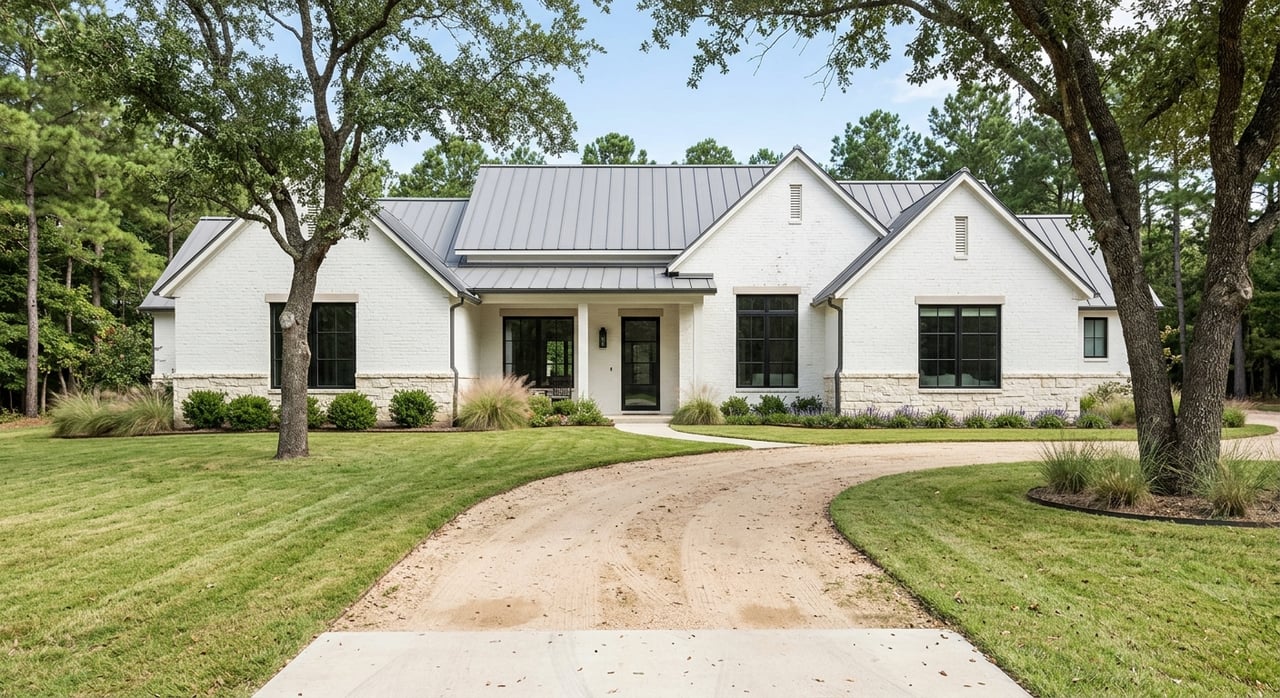
Dreaming about more space near Magnolia? Acreage can offer room to spread out, more privacy, and flexibility that is hard to find in a typical subdivision. But before you buy, it helps to know that land near Magnolia often comes with different rules, utility setups, and ownership responsibilities depending on the exact parcel. This guide will walk you through the biggest tradeoffs so you can make a more confident decision. Let’s dive in.
Why Magnolia acreage varies so much
One of the biggest surprises for buyers is that a Magnolia mailing address does not always mean the property is inside Magnolia city limits. According to the City of Magnolia FAQ, the city limits cover about 5 square miles, with an ETJ extending a half-mile beyond that. That means two properties with a Magnolia address can fall under different rules and approval processes.
For you as a buyer, location matters far more than the mailing address. A tract could be inside city limits, in the ETJ, or fully in unincorporated Montgomery County, and each option can affect permits, development steps, and utility coordination.
Check jurisdiction before anything else
Before you get attached to a piece of land, confirm exactly where it sits from a regulatory standpoint. The City of Magnolia notes that permits may apply to fence work, driveways, site work, tree removal, and other improvements. The city also states that undeveloped land must be platted before development occurs.
That is a major tradeoff with acreage. You may gain flexibility and space, but you may also need to spend more time verifying what can be done on the property and what approvals are required before you build or improve it.
If you are thinking about adding a second home or creating multiple homesites, the process may be more involved than expected. Magnolia’s FAQ says a second home may require review of zoning and lot standards and may also require subdivision and replatting.
Water options can change your ownership experience
For many acreage buyers near Magnolia, water is one of the biggest practical tradeoffs. In a neighborhood subdivision, water service may feel simple and automatic. On acreage, you may be dealing with a public system, a water district, or a private well.
Montgomery County’s residential permit packet makes clear that utility documentation may be part of the development process. Depending on the property, buyers may need a utility-district letter confirming water and sewer service, along with a survey, legal description, and site plan.
If the property uses a private well, ownership comes with added responsibility. The Texas Commission on Environmental Quality says private well owners are responsible for regularly testing their water and recommends using an accredited drinking-water laboratory.
There is also a local registration issue to keep in mind. The research report notes that Lone Star Groundwater Conservation District requires wells drilled in Montgomery County to be registered, even when an exempt residential or livestock well does not need a pumping permit. In other words, a private well can offer independence, but it also creates more recordkeeping and maintenance for you over time.
Septic is not always as simple as buyers expect
Wastewater is the other major utility question. If public sewer is not available, Montgomery County says the owner must apply for a septic permit, as outlined in the county’s development permit materials.
Many buyers assume a larger tract automatically avoids septic restrictions, but that is not always true. The TCEQ septic permitting guidance explains that permits are required for most onsite sewage facilities, and local permitting authorities may be more stringent than the state minimums.
You may have heard of the “10-acre rule,” but it has limits. TCEQ says an OSSF may be exempt only if specific conditions are met, including a site evaluation by a licensed site evaluator or professional engineer and use by a single-family dwelling on a tract of 10 acres or more.
That means you should not assume a property is exempt just because it is large. It is smarter to verify the system type, permit history, and any maintenance requirements before closing.
Septic maintenance can be an ongoing cost
Buying acreage is not only about what you can install. It is also about what you will need to maintain. The TCEQ maintenance guidance says some homeowners may perform maintenance on certain systems after the initial installation period, but local authorities may require training or may not allow homeowner maintenance at all.
TCEQ also states that maintenance contracts must be with a licensed maintenance provider when required. For you, that means a septic system is not just a one-time inspection item. It can be an ongoing ownership cost and a future resale consideration.
Drainage and floodplain can affect cost fast
A beautiful tract can still come with expensive site challenges. Montgomery County’s permit packet highlights floodplain and floodway information, site plans or surveys, and culvert verification when applicable. It also states that work in the 100-year floodplain requires a permit.
This is where acreage buyers can run into hidden costs. You may need drainage improvements, added engineering, or access-related work before the property functions the way you want.
The county packet also notes that development areas of 1 acre or more may require a long-term maintenance plan for post-construction stormwater control measures. That is the kind of detail buyers often miss when they focus only on the land size and price.
To check flood risk for a specific parcel, use FEMA’s Flood Map Service Center. It is much better to verify the actual tract than to rely on general assumptions about the area.
Fencing, driveways, and clearing may need permits
On acreage, the first projects are often the most basic ones. You may want to add a fence, install or improve a driveway, clear trees, or prep a homesite. But in Magnolia and its ETJ, the city’s permit FAQ lists fencing, driveway work, site work, and tree removal among common permit categories.
That is an important tradeoff to understand early. The property may look ready for your plans, but the improvements that make acreage usable can still trigger permitting questions. A little research up front can help you avoid delays and budget surprises later.
Access and documentation matter more on rural tracts
Compared with a typical subdivision purchase, acreage often depends more heavily on supporting documents. Montgomery County’s packet shows that buyers and applicants may need a survey or metes-and-bounds legal description, address verification for new development, and culvert-related documentation where applicable.
This paperwork matters because land deals can be less forgiving when something is unclear. If boundaries, access, utilities, or addressing are not fully documented, your timeline can stretch and your development plans may become more complicated.
Resale may not be as straightforward
Acreage often appeals to buyers looking for space and flexibility, but resale can be more nuanced than with a standard neighborhood home. According to Fannie Mae’s comparable sales guidance, rural properties often have larger lot sizes and less-developed surroundings, which can mean fewer recent comparable sales nearby.
When that happens, appraisers may need to use comparable sales from farther away if the analysis is credible and well explained. Fannie Mae also notes that factors such as location and flood zone should be considered when selecting comparables.
For you, that means future value may be influenced by more than just acreage count. Complete documentation for wells, septic, access, legal boundaries, and drainage can all help support a smoother appraisal and resale process later.
A practical Magnolia acreage checklist
If you are serious about buying acreage near Magnolia, here are a few smart questions to answer before you move forward:
- Verify whether the parcel is in Magnolia city limits, the ETJ, or unincorporated Montgomery County.
- Confirm the water source: public system, water district, or private well.
- If there is a private well, ask for registration details and recent water-testing records.
- Confirm whether wastewater service is public sewer or septic, and request permits and maintenance records.
- Review floodplain, floodway, drainage, and culvert issues before closing.
- Ask whether fences, driveways, tree removal, site work, or a second home may require permits or replatting.
- Use a surveyor and qualified septic or water-testing professionals early in the process.
The right acreage depends on your goals
There is no single “best” acreage setup near Magnolia. The right choice depends on how you plan to use the land, how much upkeep you are comfortable managing, and how important future flexibility is to you.
Some buyers are happy to take on the extra responsibility of a well and septic system in exchange for more independence and space. Others prefer a property with more straightforward utility access and fewer unknowns, even if that means giving up some flexibility.
The key is going in with clear eyes. When you understand the tradeoffs ahead of time, you are much more likely to choose land that fits both your lifestyle and your long-term plans.
If you are weighing acreage options near Magnolia, The Hometown Team can help you compare properties, ask the right due diligence questions, and navigate the details with a local, patient approach.
FAQs
What should you verify first when buying acreage near Magnolia?
- You should first confirm whether the property is inside Magnolia city limits, in the ETJ, or in unincorporated Montgomery County, because that can affect permits, platting, and development requirements.
Does a Magnolia mailing address mean a property is inside Magnolia city limits?
- No. The City of Magnolia states that a Magnolia mailing address does not necessarily mean the property is located inside city limits.
Do acreage properties near Magnolia always avoid septic permits?
- No. TCEQ says most onsite sewage facilities require permits, and even possible exemptions such as the 10-acre rule apply only when specific conditions are met.
What water questions should you ask when buying land near Magnolia?
- You should confirm whether the property uses a public system, water district, or private well, and if it has a private well, ask for registration information and recent water-testing records.
Why does floodplain information matter for Magnolia acreage?
- Floodplain and drainage conditions can affect permits, development costs, culvert needs, and long-term usability, so you should check the specific parcel before closing.
Is resale different for acreage properties near Magnolia?
- Yes. Rural and acreage properties may have fewer nearby comparable sales, which can make appraisal and resale more dependent on credible documentation and property-specific factors.